From Low to High Carbon Steel How Distributors Cater to Every Metal Requirement
Understanding Carbon Steel and Its Varieties
What is Carbon Steel?
Carbon steel is an alloy primarily composed of iron and carbon, making it one of the most widely used metals in the world. The carbon content in carbon steel can range from 0.05% to 2.0%, which significantly influences its properties, including strength, ductility, and hardness. This versatility allows carbon steel to be tailored for various applications, from simple construction projects to complex manufacturing processes. Unlike stainless steel, carbon steel lacks significant amounts of chromium, which gives it a different set of characteristics. While it offers excellent strength and durability, it also requires careful handling to avoid rust and corrosion. Understanding the fundamentals of carbon steel is crucial for anyone involved in industries such as construction, manufacturing, and transportation.
Types of Carbon Steel: Low, Medium, and High
Carbon steel is classified into three primary categories based on the amount of carbon it contains: low, medium, and high carbon steel. Low carbon steel, containing up to 0.3% carbon, is malleable and easy to weld. It is frequently used in construction for structural applications, such as beams and columns. Medium carbon steel, with carbon content between 0.3% and 0.6%, offers a balance of strength and ductility, making it suitable for automotive parts and machinery. High carbon steel, containing more than 0.6% carbon, exhibits exceptional hardness, making it ideal for cutting tools and specialized applications. Each type of carbon steel has unique properties that cater to specific needs, allowing distributors to provide tailored solutions for various industries.
The Role of Alloys in Carbon Steel Production
Alloying elements play a vital role in enhancing the properties of carbon steel. By adding elements like manganese, nickel, and chromium, manufacturers can improve strength, toughness, and corrosion resistance. For instance, manganese increases hardenability, while chromium enhances wear resistance. Alloy steels, which are a derivative of carbon steel, leverage these benefits to create materials with superior performance characteristics. Distributors often stock a range of alloy and carbon steel products to meet the diverse needs of their customers. Understanding these alloys helps businesses select the right materials for their specific applications, ensuring they achieve optimal results in construction, manufacturing, and other sectors.
The Role of Carbon Steel Distributors
How Distributors Cater to Different Industries
Carbon steel distributors play a crucial role in connecting manufacturers with industries that require high-quality steel products. They maintain extensive inventories of various steel grades, ensuring quick access to the materials needed for construction, automotive, and manufacturing sectors. By understanding the specific requirements of each industry, distributors can provide tailored solutions, including custom cuts and processing services. They also offer technical support, helping businesses choose the right type of carbon steel for their projects. This level of service fosters strong partnerships between distributors and their clients, streamlining the supply chain and ensuring that projects are completed efficiently and on time.
Transportation and Infrastructure Needs
The transportation and infrastructure sectors rely heavily on carbon steel for the construction of roads, bridges, and railways. Low carbon steel, in particular, is widely used for structural elements due to its excellent weldability and ductility. Distributors specializing in carbon steel products ensure that the right materials are available to meet the stringent requirements of these industries. They understand the importance of timely delivery and quality assurance, as even minor delays or defects can have significant consequences. By working closely with project managers and contractors, carbon steel distributors help facilitate the successful completion of infrastructure projects, contributing to the overall development and safety of communities.
Distributing Carbon Steel Products Across California
California's diverse industries, from construction to aerospace, create a high demand for carbon steel products. Distributors in the state are well-equipped to meet these needs by maintaining extensive inventories of various carbon steel grades. They also understand regional regulations and standards, ensuring compliance with local requirements. By leveraging advanced logistics and distribution networks, carbon steel distributors can efficiently deliver products across California, catering to businesses of all sizes. Whether it's a small fabrication shop or a large construction firm, having access to reliable carbon steel suppliers enables companies to maintain productivity and meet project deadlines without compromising on quality.
Applications of Carbon Steel in Construction
Using Low Carbon Steel for Structural Applications
Low carbon steel is a staple in the construction industry, prized for its excellent weldability and formability. This type of steel is often used in structural applications, such as beams, columns, and reinforcements. Its ability to withstand significant loads while remaining relatively easy to work with makes it ideal for building frameworks. Additionally, low carbon steel can be easily galvanized to enhance its corrosion resistance, further extending its life in harsh environments. Distributors provide a range of low carbon steel products, including sheets and plates, enabling contractors to source the materials needed for a variety of construction projects efficiently.
High Carbon Steel in Specialized Projects
High carbon steel stands out for its hardness and strength, making it suitable for specialized applications in construction and manufacturing. This type of steel is often used in the production of tools, dies, and high-strength components that require durability and wear resistance. Although high carbon steel is more challenging to work with due to its brittleness, its advantages make it indispensable for specific projects. Distributors knowledgeable about high carbon steel can assist clients in identifying the right products for their unique needs, ensuring that the materials meet performance expectations while adhering to safety standards.
Welded Steel Pipes and Their Importance
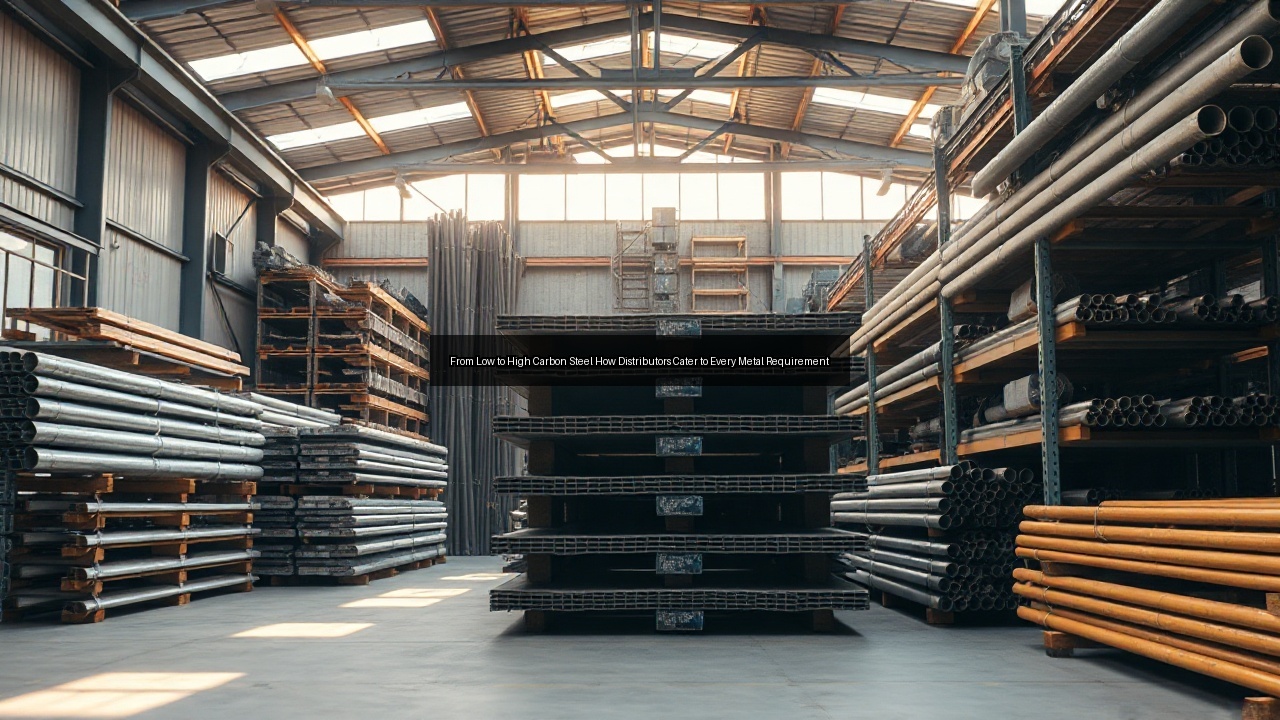
Welded steel pipes, often made from low to medium carbon steel, play a critical role in various construction and infrastructure projects. They are commonly used for transporting fluids, gases, and other materials, making them essential in plumbing, gas distribution, and industrial applications. The strength and ductility of carbon steel make welded pipes a reliable choice for high-pressure environments. Distributors focus on providing a range of welded steel pipes, ensuring they meet industry standards for quality and safety. With their expertise, carbon steel distributors can help clients select the appropriate pipe sizes and grades, facilitating efficient project implementation.
Choosing the Right Carbon Steel Supplier
Factors to Consider When Selecting a Distributor
Selecting the right carbon steel distributor involves several critical factors. First, assess the distributor's inventory to ensure they carry the specific grades and types of carbon steel you need. Experience in the industry is another important consideration; a long-standing distributor typically has established relationships with manufacturers and can offer valuable insights. Additionally, evaluate the distributor's delivery timelines and logistical capabilities to ensure they can meet your project's demands. Quality assurance processes are also essential; a reputable distributor will have stringent quality control measures in place to guarantee the integrity of their products.
The Importance of Quality Assurance in Steel Supply
Quality assurance serves as the backbone of any successful carbon steel supply operation. Distributors must implement rigorous testing and inspection protocols to ensure that the materials meet industry standards and client specifications. This commitment to quality helps prevent issues such as structural failures, which can arise carbon steel products distributor from using subpar materials. Clients should inquire about the distributor's quality assurance practices, certifications, and testing methods. A focus on quality not only enhances the safety and reliability of the projects but also builds trust between distributors and their clients, fostering long-term partnerships in the industry.
Exploring Carbon Steel Suppliers: What to Look For
Identifying the right carbon steel supplier goes beyond just finding the lowest price. Look for suppliers offering a comprehensive range of products, including low, medium, and high carbon steel options, as well as alloy steels. Evaluate their customer service and technical support, as these factors can significantly impact project success. Additionally, consider the supplier's reputation within the industry; reviews and testimonials can provide insights into their reliability and product quality. By taking the time to research and evaluate potential carbon steel suppliers, businesses can ensure they select a partner capable of meeting their metal needs effectively.