Understanding the Relationship Between Hub Flanges and Stock Availability
The Importance of Hub Flanges in Mechanical Systems
Understanding Hub Flanges and Their Functionality
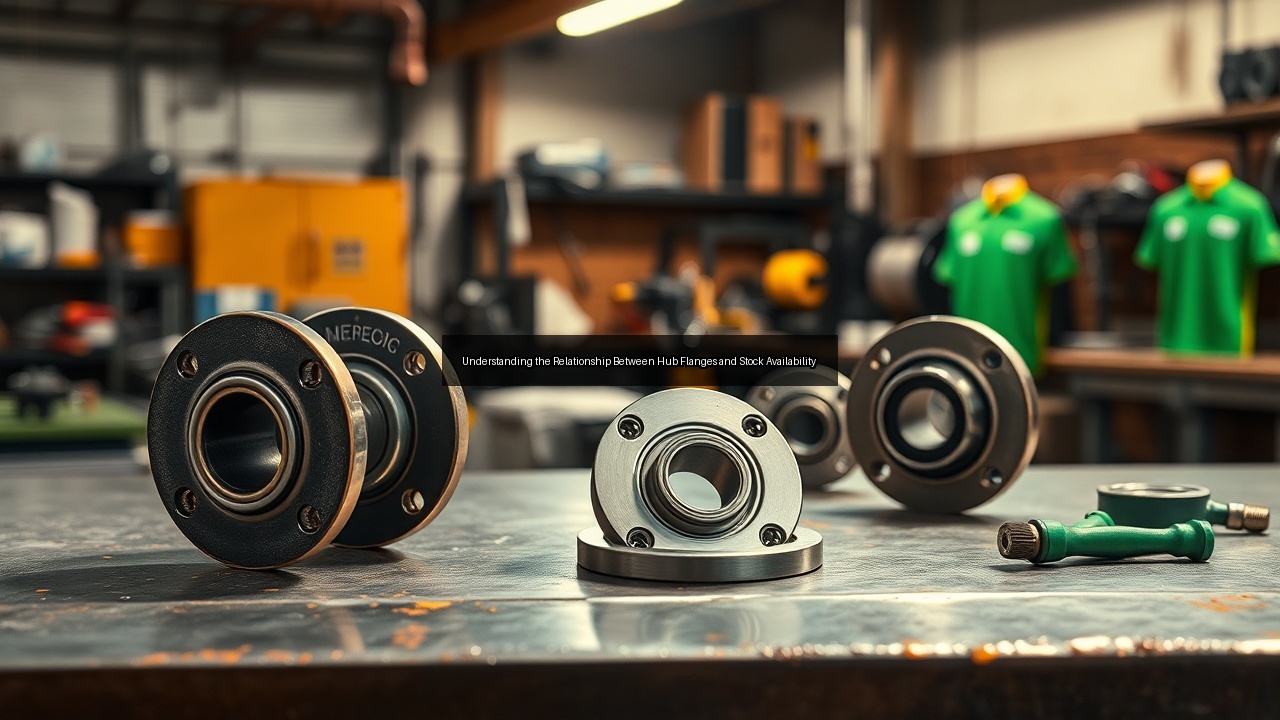
Hub flanges play a critical role in mechanical systems, providing a secure connection point for various components like wheels, gears, and pulleys. This connection is essential for transmitting torque and maintaining alignment, ensuring that the system operates smoothly and efficiently. A hub flange typically features a flat surface with pre-drilled holes, allowing for easy attachment to other parts with bolts or set screws. This design not only enhances the stability of the assembly but also simplifies maintenance and replacement procedures when necessary. For instance, in bicycle manufacturing, the hub flange connects the wheel to the axle, allowing for smooth rotation of the wheel assembly. The strength and precision of these flanges directly impact the overall performance and longevity of the mechanical system.
Types of Hub Flanges and Their Applications
Different applications require various types of hub flanges, each tailored to specific operational conditions. Common types include standard flanges, flanges with integrated bearings, and flanged hubs designed for high-load scenarios. Standard hub flanges work well in light-duty applications, such as in bicycles and small machinery. In contrast, flanges equipped with flange ball bearings are ideal for high-performance machines, reducing friction and enhancing rotational speed. Heavy-duty applications, like those found in automotive and industrial machinery, often employ flanged hubs that can withstand significant stress and wear. Each type of flange serves a unique purpose, making it essential to choose the right one based on load requirements, environmental conditions, and compatibility with other components.
The Role of Bearings in Hub Flange Performance
Bearings significantly enhance the performance of hub flanges, allowing for smoother motion and reducing wear over time. The most common type, the ball bearing, provides excellent load distribution and minimizes friction between moving parts. When selecting a hub flange, it’s vital to consider the type of bearing used, as this affects both functionality and durability. Flange ball bearings, for example, are designed to fit snugly within the hub flange, offering optimal alignment and stability. Additionally, the choice of bearing material—such as steel or ceramic—can influence the flange's performance in various environments. For high-stress applications, using advanced bearings that can handle elevated temperatures and pressures ensures reliability. Overall, integrating quality bearings into hub flanges not only enhances performance but also prolongs the lifespan of mechanical systems.
Factors Influencing Stock Availability of Hub Flanges
Supply Chain Dynamics in Manufacturing Flanges
Stock availability of hub flanges often hinges on complex supply chain dynamics. Manufacturers face numerous challenges, from raw material shortages to production delays, all of which can affect the timely delivery of flanges. For instance, fluctuations in the availability of steel and aluminum—common materials used for flanges—can create bottlenecks in production schedules. Additionally, the global nature of the supply chain means that geopolitical factors, tariffs, and trade agreements can further complicate stock levels. Manufacturers must adapt to these changes by establishing relationships with multiple suppliers, investing in inventory management systems, and employing just-in-time manufacturing techniques. Understanding these supply chain dynamics helps businesses anticipate shortages and plan accordingly, ensuring that they can meet customer demands without significant delays.
Regional Availability: Focus on Bordeaux and Aurillac
Regional factors also play a crucial role in the stock availability of hub flanges. Locations like Bordeaux and Aurillac in France have established themselves as manufacturing hubs for various mechanical components, including hub flanges. The proximity to key suppliers and transportation networks enhances the efficiency of production and distribution, often resulting in better stock availability. In Bordeaux, companies benefit from a robust industrial base and skilled labor force, allowing them to produce high-quality flanges at competitive prices. Aurillac, on the other hand, is known for its specialized manufacturers who focus on custom solutions, catering to niche markets. However, fluctuations in regional demand, especially during events like the Tour de France Femmes, can temporarily strain stock availability. During such times, manufacturers must ramp up production to keep pace with increased demand for bicycle components, including hub flanges.
Impact of Popular Events: Tour de France Femmes and its Influence on Stock
The Tour de France Femmes significantly impacts the stock availability of hub flanges and related bicycle components. The event generates heightened interest in cycling, leading to increased demand for bicycles and their parts. As cycling enthusiasts gear up for the race, manufacturers face pressure to meet the surge in orders. This spike in demand can lead to stock shortages, particularly for popular components like hub flanges, which are critical for wheel assembly. Companies must anticipate these trends and adjust their production schedules accordingly. For instance, during the lead-up to the Tour de France Femmes, manufacturers may increase their inventory of flanged hubs and bearings to ensure they can fulfill orders promptly. Failure to manage stock effectively during such high-demand periods can result in lost sales and dissatisfied customers.
Choosing the Right Hub Flange for Your Needs
Considerations for Selecting Flanged Hubs
Selecting the right hub flange requires careful consideration of several factors. First, evaluate the specific application and load requirements. Different flanges support varying weight capacities and operational conditions, so understanding these parameters is essential. Next, consider the material of the flange. Steel offers strength and durability, while aluminum provides lightweight properties, making it suitable for racing applications. Additionally, assess the compatibility of the hub flange with other components, especially when integrating with bearings and set screws. The flange design should allow for easy installation and maintenance, ensuring that replacement or repairs can be performed without extensive downtime. By taking these considerations into account, you can select a hub flange that enhances your mechanical system's overall performance and reliability.
The Relationship Between Set Screws and Hub Flanges
Set screws play a vital role in securing hub flanges to their respective shafts or components. These screws ensure that the hub flange remains fixed in place, preventing slippage during operation. When selecting a hub flange, consider the threading and compatibility of set screws with the flange design. Proper alignment of the set screw with the flange’s bore is crucial for maximizing grip and minimizing wear. Additionally, using the correct torque specifications when tightening set screws can prevent damage to both the flange and the connected components. In high-performance applications, such as those found in competitive cycling, using high-quality set screws made from durable materials can help maintain the integrity of the assembly, even under strenuous conditions. Understanding this relationship between set screws and hub flanges enhances your ability to design robust and reliable mechanical systems.
How Wheel Design Impacts Hub Flange Compatibility
Wheel design significantly influences hub flange compatibility, particularly in bicycles and other vehicles. Factors such as wheel size, spoke configuration, and intended use dictate the type of hub flange required. For example, racing bicycles often utilize lightweight flanges designed for aerodynamic efficiency, while mountain bikes may require more robust flanges capable of withstanding rough terrain. Additionally, the spoke pattern affects how the hub flange integrates with the wheel. A mismatched hub flange can lead to improper tensioning of the spokes, compromising wheel integrity and performance. It’s crucial to consider these design elements when selecting a hub flange to ensure a seamless fit and optimal performance. By aligning the hub flange with the wheel design, manufacturers can create components that work harmoniously, enhancing both durability and functionality.
See Also
- The Science Behind Flange Ball Bearings and Their Applications
- Exploring the Connection Between Hub Flanges and the Tour de France Jerseys
- The Importance of Hub Flanges in High-Performance Cycling
- From Bordeaux to Aurillac The Journey of a Flanged Hub
- Innovative Materials in Hub Flange Manufacturing